Author: openclaw-Lisa-New

  • 5G Edge Computing in CPE: How On-Device MEC Is Reshaping Enterprise FWA Deployments in 2026

    5G Edge Computing in CPE: How On-Device MEC Is Reshaping Enterprise FWA Deployments in 2026

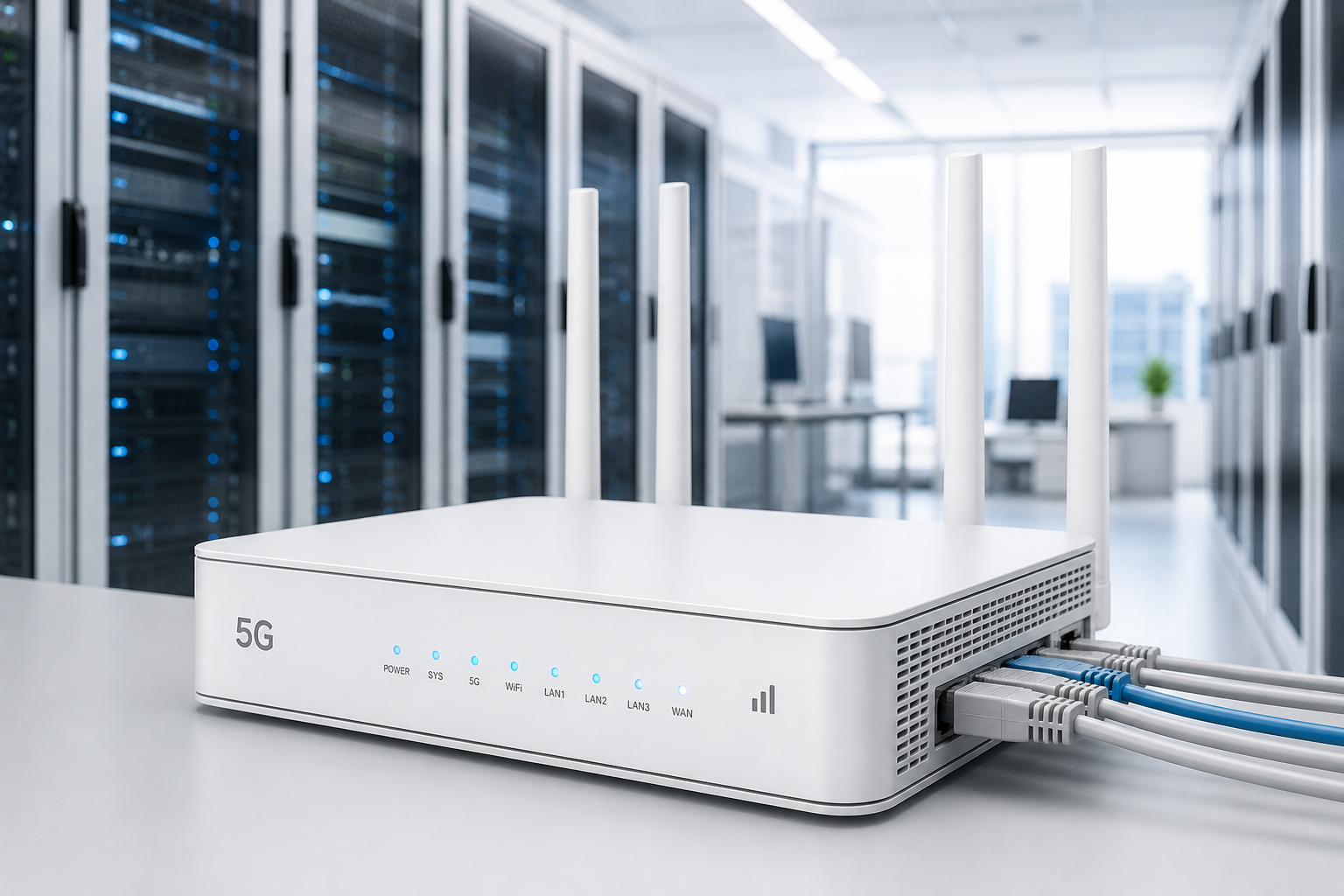
    As enterprise Fixed Wireless Access (FWA) deployments scale globally, a new architectural shift is quietly reshaping how telecom operators and ISP buyers evaluate CPE hardware: on-device edge computing. Rather than treating the customer-premises router as a simple pass-through gateway, the 2026 generation of 5G CPE devices increasingly embeds Multi-access Edge Computing (MEC) capabilities directly at the network edge — inside the router itself.

    What Is On-Device Edge Computing in CPE?

    Traditional CPE routes traffic between the 5G RAN and the local LAN. Edge-compute CPE adds a lightweight compute layer — typically an ARM-based application processor alongside the modem SoC — capable of running containerized workloads at the customer site. This transforms the CPE from a “dumb pipe” into a micro data center at the edge.

    Industry analysts at ABI Research project that by 2027, over 35% of enterprise-grade 5G CPE shipped globally will include some form of on-device compute capability, driven by demand for ultra-low-latency applications in manufacturing, retail, and smart logistics.

    Key Use Cases Driving CPE Edge Compute Adoption

    1. Industrial IoT Data Pre-Processing

    Factory-floor sensors generate terabytes of raw telemetry. Instead of backhauling all data to a centralized cloud, edge-compute CPE performs local filtering, anomaly detection, and protocol translation (Modbus TCP → MQTT) before forwarding aggregated insights. This reduces backhaul costs by 40-60% while cutting latency from hundreds of milliseconds to single digits.

    2. Retail Branch SD-WAN with Local AI Inference

    Retail chains deploying 5G FWA as primary WAN increasingly run lightweight AI models (inventory counting, footfall analytics, POS fraud detection) directly on the CPE. Qualcomm’s latest X75-based CPE reference designs include a dedicated NPU for ONNX model execution at under 3W.

    3. Video Surveillance Analytics at the Edge

    IP camera streams processed locally on the CPE eliminate the need for separate NVR hardware. Object detection, license plate recognition, and people counting run as Docker containers on the CPE’s application processor, with only metadata and alert clips sent upstream.

    4. Zero-Touch Branch Office IT

    Enterprise IT teams deploy virtualized network functions (VNFs) — DHCP, DNS, firewall, and SD-WAN overlay — as containerized applications on the CPE, enabling true “router as a server” deployments for small offices with no on-site IT staff.

    Procurement Implications for Telecom Buyers

    For ISP and MVNO procurement teams evaluating CPE for enterprise FWA deployments, edge compute capability introduces new evaluation criteria beyond traditional RF performance metrics:

    • Compute specifications matter: CPU cores, RAM (minimum 2GB recommended for container workloads), and NPU/GPU availability become relevant selection criteria alongside 5G modem category and CA combos.
    • Software ecosystem lock-in: Which container runtime does the CPE support? Docker? Kubernetes K3s? Proprietary runtime? Open platforms reduce vendor lock-in.
    • Thermal and power budget: Adding compute increases power consumption. Look for CPE with active or advanced passive cooling rated for extended temperature ranges in industrial deployments.
    • Remote device management: TR-369 USP or proprietary cloud management must support container lifecycle management alongside traditional CPE WAN management functions.
    • Total cost of ownership (TCO): An edge-compute CPE may cost $50-150 more upfront than a basic 5G router, but can displace separate NVR, SD-WAN appliance, or edge server hardware — yielding net savings per site.

    Chipset Landscape: Who’s Powering CPE Edge Compute?

    The silicon ecosystem is consolidating around three architectures:

    • Qualcomm X75/X80 + Kryo CPU: Integrated modem-RF plus octa-core Arm application processor with Hexagon NPU. Dominant in high-end enterprise FWA CPE from vendors like Honlly, ZTE, and Nokia.
    • MediaTek T830 + Cortex-A78: Competitive mid-range platform with quad-core A78 application processor. Gaining traction in cost-sensitive APAC and LATAM markets.
    • Intel Xeon D / AMD EPYC Embedded + 5G M.2 Module: x86-based CPE for demanding edge workloads requiring full Linux/Windows Server compatibility. Higher cost and power but maximum software flexibility.

    Standards and Interoperability

    ETSI MEC and 3GPP SA6 have defined reference architectures for edge computing integration with 5G core networks. However, on-device CPE edge compute currently operates in a standards gap — most implementations are proprietary. The GSMA’s Edge Computing in the 5G Era whitepaper (2026 update) recommends operators require:

    • ONNX runtime compatibility for AI/ML model portability
    • OCI-compliant container images for application portability
    • RESTful northbound APIs aligned with ETSI MEC Mp1 interface

    FAQ

    Q: Does edge-compute CPE require 5G Standalone (SA)?
    A: No. While 5G SA’s URLLC features unlock the lowest latency use cases, most edge-compute workloads (video analytics, IoT pre-processing, SD-WAN) function perfectly well over 5G NSA or even LTE-Advanced Pro connections. The edge compute happens locally — the WAN link’s contribution to total latency is often secondary.

    Q: What’s the typical power increase for edge-compute CPE?
    A: A basic 5G CPE draws 8-15W. Adding an application processor and active workloads typically adds 5-15W, bringing total consumption to 15-30W. This is still a fraction of a traditional x86 edge server (80-200W).

    Q: Can existing deployed CPE be upgraded to support edge compute?
    A: Generally no — edge compute requires dedicated hardware (application processor, RAM, storage). However, operators can deploy edge-compute CPE incrementally for specific enterprise segments while maintaining existing CPE for basic connectivity users.

    Q: How does edge compute affect CPE security posture?
    A: It expands the attack surface. Buyers should verify: secure boot chain, TPM 2.0 or equivalent hardware root of trust, signed container images, runtime isolation between containers, and regular CVE-patched base images. TR-369 USP’s secure software module management (SSMM) provides a standardized framework for this.


    Looking for 5G CPE with edge computing capabilities for your enterprise FWA deployment? Contact Honlly Telecom to discuss your requirements with our solutions engineering team.
  • 5G CPE Powers Next-Generation Telemedicine: How FWA Is Transforming Remote Healthcare Infrastructure in 2026

    5G CPE Powers Next-Generation Telemedicine: How FWA Is Transforming Remote Healthcare Infrastructure in 2026

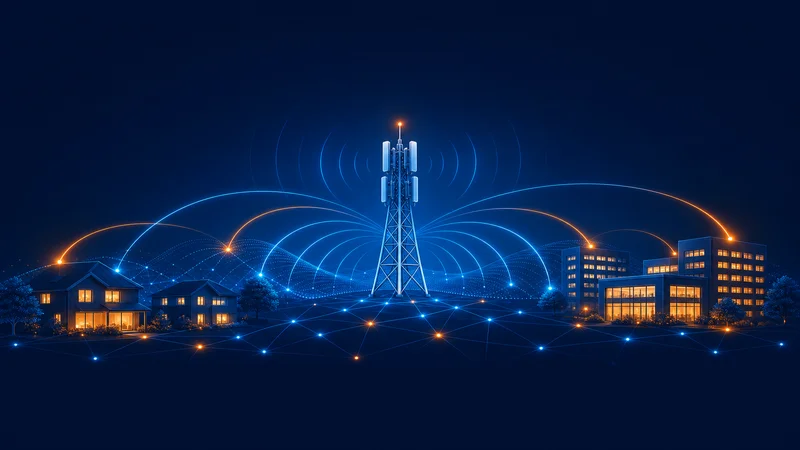
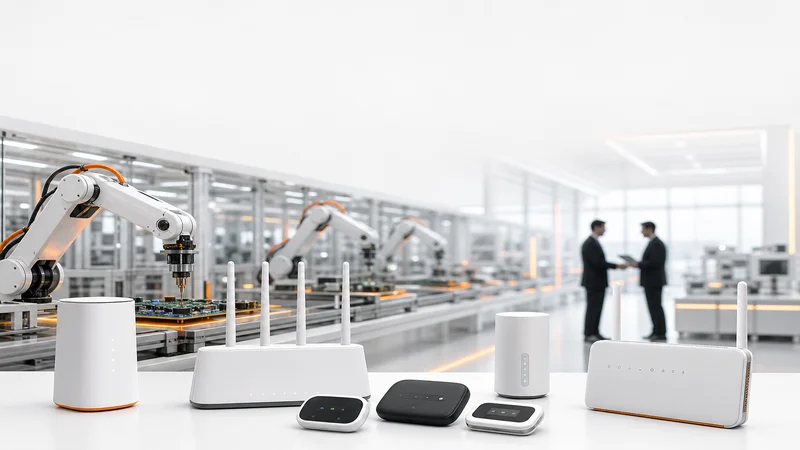
    The convergence of 5G Fixed Wireless Access (FWA) and digital healthcare is reshaping how medical services reach patients beyond urban hospital corridors. As telemedicine adoption accelerates worldwide—driven by an aging global population, chronic disease management demands, and the lasting operational lessons of pandemic-era care delivery—healthcare providers are increasingly turning to 5G CPE as the connectivity backbone for remote consultation, real-time patient monitoring, and distributed clinical workflows.

    In 2026, the intersection of 5G network maturity and healthcare digitization has created a compelling business case for telecom operators and system integrators serving the B2B healthcare vertical. Unlike consumer-grade broadband, medical-grade connectivity demands ultra-reliable low-latency communication (URLLC), guaranteed quality of service, and stringent data privacy compliance—all of which modern 5G CPE platforms are engineered to deliver.

    The Telemedicine Connectivity Imperative

    Traditional wired broadband infrastructure has long been the default for healthcare facilities. However, wired deployments face inherent limitations: prolonged installation timelines, high civil engineering costs for last-mile fiber trenching, and physical vulnerability to natural disasters and construction-related outages. For rural clinics, mobile health units, pop-up vaccination centers, and temporary field hospitals, wired connectivity is often economically infeasible or logistically impossible.

    5G FWA eliminates these barriers. A single 5G CPE device—deployed in minutes rather than months—can deliver symmetrical multi-hundred-megabit throughput with sub-10ms latency, sufficient to support simultaneous high-definition video consultations, real-time diagnostic imaging transfers, and streaming telemetry from connected medical devices. For healthcare IT directors, the operational calculus is straightforward: faster deployment, lower total cost of ownership, and carrier-grade reliability without the civil engineering complexity of fiber builds.

    Key Technical Requirements for Medical-Grade 5G CPE

    Not all 5G CPE devices are created equal when deployed in healthcare environments. Procurement teams evaluating CPE for telemedicine applications should prioritize several technical capabilities:

    Ultra-Reliable Low-Latency Communication (URLLC): Remote robotic surgery assistance, real-time ultrasound guidance, and teleradiology consultations require deterministic latency below 10ms with 99.999% reliability. CPE devices must support 5G SA (Standalone) architecture with URLLC QoS profiles to guarantee these performance envelopes.

    Network Slicing Support: Healthcare networks carry heterogeneous traffic—from bandwidth-intensive MRI transfers to latency-sensitive tele-surgery streams and routine administrative data. 5G network slicing, implemented at both the core network and CPE level, enables logical traffic separation with guaranteed SLAs per slice. Forward-looking CPE platforms support multiple simultaneous PDU sessions mapped to distinct network slices.

    Hardware-Accelerated Encryption: Patient data protection is non-negotiable under HIPAA, GDPR, and equivalent regional frameworks. CPE devices should incorporate hardware security modules (HSM) or trusted platform modules (TPM) for hardware-rooted encryption key storage, along with IPsec and WireGuard VPN acceleration at line rate to ensure end-to-end encrypted tunnels without throughput degradation.

    Dual-SIM Redundancy with Automatic Failover: For critical care scenarios where connectivity loss directly impacts patient outcomes, dual-SIM CPE with automatic carrier failover provides an essential safety net. The device should monitor link health continuously and execute sub-second failover to a secondary operator when primary link quality degrades below configured thresholds.

    Environmental Hardening for Non-Traditional Deployments: Unlike climate-controlled data centers, telemedicine CPE may be deployed in outdoor mobile clinics, disaster response tents, or rural health posts with limited environmental control. Industrial-temperature-rated CPE (-40°C to +65°C) with IP65 or higher ingress protection ensures reliable operation in challenging physical environments.

    Real-World Deployment Models

    Several deployment architectures have emerged as best practices for healthcare FWA:

    Hub-and-Spoke Telemedicine Networks: A central urban hospital serves as the diagnostic hub, with 5G CPE-equipped rural clinics acting as spokes. Each spoke CPE establishes a dedicated encrypted tunnel to the hub, enabling specialists to conduct remote consultations with full access to electronic health records and diagnostic imaging systems. This model has proven particularly effective in regions like Southeast Asia, Sub-Saharan Africa, and Latin America, where specialist density in rural areas remains critically low.

    Mobile Health Units and Ambulance Connectivity: Vehicle-mounted 5G CPE with external MIMO antennas transforms ambulances into mobile telemedicine nodes. Paramedics can transmit live vital signs, 12-lead ECG data, and high-definition video to emergency department physicians while en route, enabling pre-arrival diagnosis and preparation that significantly improves time-to-treatment for stroke, cardiac, and trauma patients.

    Remote Patient Monitoring (RPM) Gateways: For chronic disease management—diabetes, hypertension, COPD, congestive heart failure—5G CPE serves as the in-home aggregation gateway for Bluetooth and Wi-Fi connected medical devices. The CPE securely relays continuous glucose monitors, blood pressure cuffs, pulse oximeters, and weight scales to cloud-based care management platforms, enabling early intervention when patient metrics deviate from baseline.

    The B2B Opportunity for Operators and Integrators

    For telecom operators, healthcare represents one of the highest-value verticals for 5G FWA services. Healthcare organizations are willing to pay premium rates for guaranteed SLAs, and the stickiness of medical connectivity contracts—once a clinic’s entire workflow depends on a CPE connection—results in exceptionally low churn. System integrators specializing in healthcare IT can build complete solutions combining CPE hardware, cloud-based device management platforms, and vertical-specific application integration.

    As 5G-Advanced (3GPP Release 18) capabilities roll out through 2026-2027, enhanced URLLC features, integrated sensing for health monitoring, and further latency reductions will unlock even more sophisticated telemedicine applications. Early movers who establish healthcare CPE deployments today will be positioned to upsell these advanced capabilities as the technology matures.

    For B2B buyers evaluating 5G CPE for healthcare deployments, the message is clear: the technology is mature, the ROI is compelling, and the clinical impact—measured in lives improved through expanded access to specialist care—makes this one of the most meaningful applications of 5G fixed wireless technology in 2026.

  • A Technical Buyer’s Guide to 5G CPE for Hospitality Networks: Guest Wi-Fi Architecture, Bandwidth Orchestration, and Multi-Tenant Deployment Strategy for 2026

    A Technical Buyer’s Guide to 5G CPE for Hospitality Networks: Guest Wi-Fi Architecture, Bandwidth Orchestration, and Multi-Tenant Deployment Strategy for 2026

    The hospitality industry is undergoing a fundamental connectivity transformation. Guest expectations have shifted from “free Wi-Fi” as a nice-to-have amenity to high-performance internet access as a non-negotiable requirement that directly influences booking decisions, guest satisfaction scores, and brand reputation. For hotel operators, resort chains, serviced apartments, and multi-tenant hospitality properties, 5G Fixed Wireless Access (FWA) delivered through advanced CPE devices is emerging as a strategically compelling alternative to traditional wired broadband and dedicated fiber circuits.

    This technical buyer’s guide provides a comprehensive framework for evaluating 5G CPE solutions for hospitality deployments, covering guest network architecture design, bandwidth management strategies, multi-tenant service isolation, and procurement considerations for 2026.

    Why 5G FWA for Hospitality?

    Traditional hospitality connectivity architectures rely on dedicated fiber circuits or bonded DSL/cable connections terminated at an on-premises router, with Wi-Fi access points distributed throughout the property. While functional, this model carries significant operational friction:

    Installation Timelines: Fiber trenching to new hotel constructions or brownfield properties can take 3-12 months, delaying revenue-generating operations. 5G CPE can be deployed and operational within hours of arrival.

    Single-Point-of-Failure Risk: A single fiber cut can take an entire property offline, triggering cascading operational failures across property management systems, point-of-sale terminals, IPTV, and guest internet. Dual-5G CPE deployments with automatic failover eliminate this single-thread dependency.

    Seasonal Scalability: Resort properties experience dramatic bandwidth demand fluctuations between peak and off-peak seasons. 5G FWA enables elastic capacity scaling—provision higher-tier service during high season and scale down during low occupancy periods without stranded capital in over-provisioned fiber circuits.

    Backup and Diversity: Even for properties retaining fiber as primary connectivity, 5G CPE provides a cost-effective, high-performance backup path with diverse physical routing, satisfying business continuity requirements for PCI-DSS compliance and property management system availability.

    Architecture Design: Guest Network Segmentation

    A well-designed hospitality CPE deployment separates traffic into distinct network segments with appropriate security and QoS policies:

    Guest Internet VLAN: The highest-volume segment, carrying guest web browsing, streaming, video conferencing, and VPN traffic. Must support client isolation (preventing guest-to-guest lateral communication), captive portal integration for authentication and terms-of-service acceptance, and per-device bandwidth caps to prevent single-user abuse from degrading the experience for others.

    Property Operations VLAN: Carries mission-critical hotel management traffic: property management systems (PMS), point-of-sale terminals, door lock systems, IP surveillance cameras, and building management systems. This segment requires guaranteed bandwidth and the highest priority QoS marking, isolated from guest traffic surges.

    IPTV and Digital Signage VLAN: Multicast video traffic for in-room entertainment systems and lobby digital signage. Requires IGMP snooping support and adequate multicast throughput capacity on the CPE to prevent packet loss that would manifest as video artifacts.

    Staff and Back-Office VLAN: General-purpose corporate network for administrative staff, reservations, sales, and back-office functions, with standard enterprise security policies including 802.1X authentication where practical.

    Bandwidth Orchestration and QoS Strategy

    Effective bandwidth management is the linchpin of hospitality CPE deployment. The CPE must serve as an intelligent traffic orchestrator, ensuring fair resource allocation across hundreds of simultaneous users while protecting critical property operations traffic:

    Hierarchical QoS: Implement a three-tier QoS hierarchy where property operations traffic receives strict priority queuing, IPTV receives a guaranteed bandwidth allocation with burst capability, and guest internet receives weighted fair queuing with per-client rate limiting. Modern 5G CPE platforms support hardware-accelerated QoS processing at multi-gigabit line rates without CPU bottlenecking.

    Application-Aware Traffic Shaping: Deploy Layer-7 application identification to prioritize business-critical applications (PMS cloud sync, payment processing) while deprioritizing recreational traffic (4K video streaming, large file downloads) during peak operational hours. This ensures front-desk check-in/check-out operations never experience latency from guest Netflix streams.

    Dynamic Bandwidth Allocation: Leverage time-based policies that adjust bandwidth allocations based on predictable demand patterns—allocate more bandwidth to IPTV during evening hours, shift capacity to property operations during morning check-out rushes, and maximize guest internet during midday periods.

    Multi-Tenant and Multi-Property Deployment Models

    For hospitality groups operating multiple properties or mixed-use developments combining hotel, residential, and retail spaces, 5G CPE enables flexible multi-tenant architectures:

    Per-Property Gateway: Each property deploys its own 5G CPE pair (primary + backup) with local breakout for guest internet and IPsec tunnels back to the corporate data center for PMS and back-office traffic. This model provides maximum autonomy and fault isolation between properties.

    Centralized SD-WAN Overlay: All property CPE devices join a software-defined WAN fabric managed from a central controller. The controller pushes unified security policies, QoS templates, and firmware updates across the entire fleet, dramatically reducing per-property management overhead. SD-WAN path selection automatically routes traffic over the optimal path—direct internet breakout for cloud applications, VPN tunnel for corporate resources.

    Multi-Tenant Segmentation for Mixed-Use Properties: In developments combining hotel, long-stay serviced apartments, retail outlets, and office spaces under a single roof, a single high-capacity 5G CPE deployment can serve all tenants through VRF-Lite (Virtual Routing and Forwarding) instances that provide complete routing table isolation between tenants while sharing the common 5G backhaul infrastructure.

    Procurement Checklist for Hospitality CPE

    When evaluating CPE platforms for hospitality deployments, technical buyers should verify the following capabilities:

    Multi-Gigabit Throughput: Minimum 2 Gbps aggregate throughput to support 200+ simultaneous guest devices with headroom for IPTV and property operations traffic.

    VLAN Trunking (802.1Q): Support for at least 8 VLANs with inter-VLAN routing and ACL-based filtering for network segmentation.

    Hardware QoS Engine: Dedicated QoS processing silicon capable of classifying and queuing traffic at wire speed without impacting data plane throughput.

    IPsec/WireGuard VPN Acceleration: Hardware-accelerated VPN tunnels for secure property-to-corporate connectivity, supporting AES-256-GCM at multi-gigabit rates.

    Dual-SIM with Automatic Failover: Carrier redundancy for business continuity, with sub-second failover between primary and secondary mobile network operators.

    Cloud-Managed Platform: Centralized device management with zero-touch provisioning, configuration templating, bulk firmware updates, and real-time performance monitoring across the entire property portfolio.

    Captive Portal Integration: RADIUS/AAA integration with leading hospitality PMS and guest management platforms for seamless authentication, bandwidth tiering, and usage analytics.

    Environmental Suitability: Compact, aesthetically neutral design suitable for front-of-house or back-office installation. Fanless operation preferred for noise-sensitive guest areas.

    Conclusion: The Connected Guest Experience

    In 2026, guest Wi-Fi quality has become a primary driver of hotel satisfaction scores and repeat booking behavior. Properties that deliver seamless, high-speed connectivity earn higher ratings and stronger brand loyalty; those with unreliable or slow internet face negative reviews that directly impact revenue. 5G FWA, deployed through enterprise-grade CPE with intelligent bandwidth management and multi-tenant segmentation, provides a deployment-agile, operationally efficient, and commercially flexible connectivity platform that aligns with the modern hospitality industry’s needs for speed, reliability, and scalability. For procurement teams evaluating next-generation property connectivity, 5G CPE deserves a seat at the decision table alongside traditional fiber and cable options.

  • Zero-Trust Network Architecture for 5G CPE: Hardware-Rooted Identity, Always-On Encryption, and Enterprise-Grade FWA Security in 2026

    Zero-Trust Network Architecture for 5G CPE: Hardware-Rooted Identity, Always-On Encryption, and Enterprise-Grade FWA Security in 2026

    As enterprises accelerate adoption of 5G Fixed Wireless Access (FWA) for primary branch connectivity, the security perimeter has fundamentally shifted. The traditional castle-and-moat model—where a corporate firewall protected a trusted internal network—dissolves when CPE devices sit outside the physical security boundary, directly exposed to carrier networks and the public internet. In response, forward-thinking enterprise security architects are applying zero-trust principles to 5G CPE deployments, treating every CPE device as a potentially compromised node that must continuously prove its identity and trustworthiness.

    This article examines the core pillars of zero-trust architecture for 5G CPE, the hardware security foundations required, and practical implementation strategies for B2B FWA deployments in 2026.

    The Zero-Trust Imperative for 5G CPE

    The zero-trust model operates on three foundational principles: never trust, always verify; assume breach; and enforce least-privilege access. Applied to 5G CPE, these principles translate into concrete security requirements that go far beyond traditional firewall-and-NAT consumer router architectures:

    Device Identity as the New Perimeter: Every CPE device must possess a unique, cryptographically provable hardware identity—not merely a software-configurable MAC address or serial number that can be spoofed. This identity, rooted in silicon at manufacture time, becomes the anchor for all subsequent authentication, authorization, and encryption decisions.

    Continuous Authentication and Authorization: Authentication is not a one-time event at connection establishment. Zero-trust CPE must continuously re-authenticate to the network and re-verify its security posture—firmware integrity, configuration compliance, security patch level—throughout the session lifecycle. Any deviation triggers immediate access revocation and security incident alerting.

    Micro-Segmentation at the CPE Edge: Rather than trusting all traffic from the CPE’s LAN side, zero-trust architectures enforce identity-based micro-segmentation policies at the CPE itself. Each connected device or application behind the CPE receives its own encrypted tunnel with individually scoped access permissions, preventing lateral movement if any single endpoint is compromised.

    Hardware Security Foundation: The Root of Trust

    A zero-trust CPE architecture begins with a hardware root of trust (HRoT)—an immutable, cryptographically secured foundation that anchors the entire security chain:

    Trusted Platform Module (TPM 2.0): An industry-standard secure cryptoprocessor that provides hardware-based key generation, secure key storage, platform integrity measurement, and attestation. The TPM generates and stores the device’s unique identity key pair; the private key never leaves the TPM silicon, making exfiltration via software attack effectively impossible. During boot, the TPM measures firmware and bootloader hashes, extending them into Platform Configuration Registers (PCRs) that enable remote attestation—proving to a network authentication server that the device is running authentic, unmodified firmware.

    Secure Boot Chain: A cryptographically verified boot sequence where each stage—boot ROM, bootloader, operating system kernel, and application firmware—is hash-verified against a signed golden image before execution. Any modification, whether malicious or accidental, causes the boot process to halt or fall back to a known-good recovery image. Combined with TPM attestation, this ensures that only authenticated software runs on the CPE.

    Hardware Security Module (HSM) Integration: For high-security enterprise and government deployments, integrated or external HSMs provide FIPS 140-3 Level 3 validated key protection, physical tamper resistance, and accelerated cryptographic operations. VPN session keys, TLS private keys, and device identity certificates are generated, stored, and used entirely within the HSM boundary.

    Always-On Encryption Architecture

    In a zero-trust model, all traffic is treated as potentially hostile. Encryption is not optional or configurable—it is the default, always-on state for every packet traversing the CPE:

    IPsec IKEv2 with Mutual Certificate Authentication: The CPE establishes IPsec tunnels to the enterprise security gateway using IKEv2 with X.509 certificate-based mutual authentication. The CPE’s certificate, signed by the enterprise PKI and bound to its TPM-stored identity key, proves the device’s authenticity. Certificate revocation checking via OCSP ensures that compromised or decommissioned devices cannot establish tunnels.

    WireGuard for High-Performance Tunnels: For deployments prioritizing throughput and simplicity, WireGuard provides a modern, audited VPN protocol with built-in cryptographic identity (Curve25519 key pairs), perfect forward secrecy, and kernel-level performance. WireGuard’s cryptokey routing model inherently enforces identity-based access control—packets are only accepted from peers whose public key is explicitly configured, eliminating entire classes of spoofing and replay attacks.

    MACsec for LAN-Side Encryption: Extending zero-trust to the local network segment, MACsec (IEEE 802.1AE) provides hop-by-hop encryption at Layer 2 between the CPE and connected switches or access points. This prevents passive wiretapping and active man-in-the-middle attacks on the physical Ethernet segment between the CPE and downstream infrastructure—particularly important for CPE devices installed in physically accessible locations like retail branch back offices or remote equipment cabinets.

    Network Access Control and Device Authentication

    Zero-trust CPE must integrate with enterprise identity and access management infrastructure to enforce per-user, per-device, and per-application access policies:

    802.1X Port-Based Authentication: The CPE acts as an 802.1X authenticator for connected LAN devices, relaying EAP authentication to a RADIUS server. This ensures that only authorized corporate devices can connect to the CPE’s LAN ports—an employee plugging in an unauthorized personal laptop is denied network access at the port level.

    SASE/SSE Integration: Modern zero-trust CPE platforms integrate natively with Secure Access Service Edge (SASE) and Security Service Edge (SSE) frameworks. Rather than backhauling all traffic to a centralized data center firewall, the CPE redirects internet-bound traffic to cloud-delivered security services for CASB, SWG, and ZTNA inspection, applying consistent security policies regardless of the user’s physical location.

    Threat Detection and Automated Response

    Zero-trust assumes breach is inevitable. The CPE must therefore incorporate detection and response capabilities:

    Integrity Monitoring and Anomaly Detection: The CPE continuously monitors its own integrity—file system hashes, running process signatures, memory integrity checks—and reports deviations to a security information and event management (SIEM) platform. Anomalous traffic patterns, such as unexpected outbound connections to unknown IP addresses or protocol violations, trigger automated investigation workflows.

    Automated Quarantine and Remediation: When a compromise indicator is detected, the CPE should automatically enter a quarantine state: terminating all VPN tunnels, blocking all traffic except a management channel to the security operations center, and awaiting remote forensic analysis. Authorized security personnel can then initiate remote remediation—pushing clean firmware, rotating keys, and re-establishing trust before the device is returned to production.

    Procurement Considerations for Zero-Trust CPE

    Enterprise security teams evaluating 5G CPE for zero-trust deployments should verify:

    TPM 2.0 Onboard: Hardware TPM with remote attestation and sealed-key storage capabilities.

    Secure Boot with Signed Firmware: Cryptographically verified boot chain preventing unauthorized firmware execution.

    FIPS 140-3 Ready: Cryptographic modules validated or aligned with FIPS 140-3 requirements for government and regulated-industry deployments.

    Certificate-Based Mutual Authentication: Support for X.509 certificate enrollment (SCEP/EST), renewal automation, and OCSP revocation checking for VPN tunnel establishment.

    Hardware-Accelerated VPN Performance: IPsec and WireGuard throughput at line rate (1-5 Gbps) without software-based performance degradation.

    SASE/SSE Ecosystem Integration: Pre-validated interoperability with leading SASE platforms for cloud-delivered security services.

    Centralized Security Policy Management: Cloud-based or on-premises management platform for unified security policy definition, device attestation monitoring, and fleet-wide security posture reporting.

    Conclusion: Security as a First-Class CPE Design Principle

    As 5G FWA transitions from a niche connectivity option to a mainstream enterprise WAN technology, the security architecture of CPE devices becomes a critical differentiator. Organizations that treat CPE security as an afterthought risk introducing vulnerable entry points into their corporate networks; those that adopt zero-trust principles—hardware-rooted identity, always-on encryption, continuous authentication, and automated threat response—gain a resilient, defensible WAN edge that can withstand the threat landscape of 2026 and beyond. For procurement teams, the message is unambiguous: demand hardware security foundations in every CPE specification. The cost of compromise far exceeds the marginal investment in zero-trust CPE architecture.

  • Green 5G CPE: Energy-Efficient Design Becomes Priority for Operator Procurement in 2026

    Green 5G CPE: Energy-Efficient Design Becomes Priority for Operator Procurement in 2026

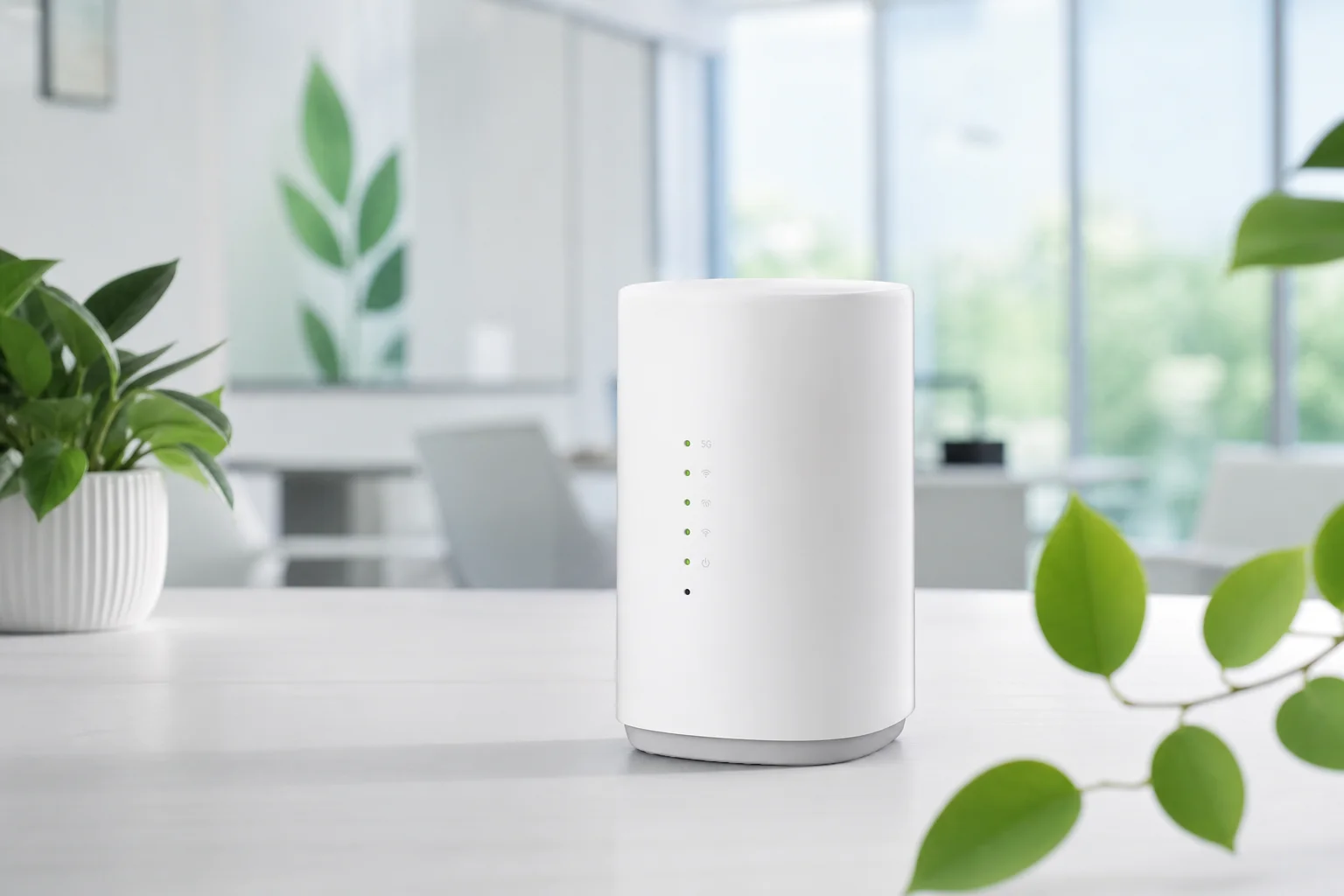
    Green energy efficient 5G CPE device on clean desk with eco sustainability concept

    As global telecom operators scale their 5G Fixed Wireless Access (FWA) deployments, a new procurement criterion is rapidly moving from “nice-to-have” to mandatory: energy efficiency. With rising electricity costs, tightening environmental regulations, and corporate ESG commitments, the power consumption of customer premises equipment (CPE) has become a critical factor in operator RFPs worldwide.

    The European Union’s updated Ecodesign Directive, effective from mid-2026, now sets maximum standby power limits for broadband equipment at 3 watts, with further reductions to 2 watts planned by 2028. Similar regulations are advancing in Japan, South Korea, and California. For CPE manufacturers, compliance is no longer optional — it is a market access requirement.

    The Business Case for Green CPE

    Operators deploying hundreds of thousands of CPE units face substantial cumulative energy costs. A 2-watt reduction per device across a 500,000-unit deployment saves approximately 8,760 MWh annually — translating to over $1.3 million in electricity savings at average industrial rates. For large-scale FWA rollouts in markets like India, Indonesia, and Nigeria, where operators are connecting millions of new subscribers, these savings directly impact EBITDA margins.

    Beyond cost, green CPE aligns with operator ESG goals. Vodafone, Deutsche Telekom, and Telefónica have all committed to net-zero emissions targets that encompass their supply chains. CPE devices, which account for a significant share of operator Scope 3 emissions, are under increasing scrutiny from sustainability teams.

    Chipset Innovation Driving Power Efficiency

    The latest 5G chipset platforms are delivering dramatic improvements in power efficiency. Qualcomm’s X80 and X105 modems, built on 4nm process technology, achieve up to 40% lower power consumption compared to previous-generation 5G modems under typical FWA workloads. MediaTek’s T900 series similarly leverages advanced power gating and adaptive voltage scaling to minimize idle and active power draw.

    Key technologies enabling greener CPE include:

    • Advanced sleep modes: Deep sleep states that reduce power to under 1 watt during periods of low network activity while maintaining instant wake capability
    • Dynamic power scaling: Real-time adjustment of CPU frequency, antenna chains, and RF front-end power based on traffic load
    • Integrated SoC designs: Combining modem, application processor, and Wi-Fi into single-chip solutions to eliminate inter-chip communication overhead
    • Wi-Fi 7 Target Wake Time (TWT): Scheduled communication windows that allow client devices to remain in low-power states longer

    Regulatory Landscape and Certification

    The EU Energy Label for broadband equipment, introduced in 2026, assigns A-to-G ratings based on power consumption, throughput efficiency (watts per Gbps), and recyclability. Operators in EU member states are increasingly specifying minimum B-rating or higher in their procurement documents.

    In Asia-Pacific, Japan’s Top Runner Program sets progressively stricter efficiency benchmarks, while South Korea’s KEA energy efficiency labeling now covers 5G CPE devices. India’s Bureau of Energy Efficiency is consulting on mandatory standards for telecom equipment expected by 2027.

    For CPE manufacturers targeting multiple markets, designing once for the strictest standard — typically the EU Ecodesign Directive — and certifying across jurisdictions is emerging as the most cost-effective compliance strategy.

    What Operators Should Require in RFPs

    Procurement teams evaluating 5G CPE in 2026 should include clear energy-efficiency requirements in RFPs:

    1. Standby power: Maximum 2.5W in idle state with Wi-Fi active
    2. Active efficiency: Minimum 0.5 Gbps per watt under typical traffic load
    3. Energy certifications: EU Energy Label B or higher, Energy Star, or equivalent
    4. Power supply efficiency: Level VI efficiency rating for external power adapters
    5. Eco-design features: Recyclable packaging, modular design for repair, minimum 3-year lifecycle
    6. Reporting capability: TR-369 USP telemetry for per-device power consumption monitoring

    Honlly’s Green CPE Portfolio

    At Honlly Telecom, we have invested significantly in power-optimized CPE designs across our 4G and 5G product lines. Our engineering team prioritizes energy efficiency at every stage — from component selection and PCB layout to firmware power management algorithms.

    Our latest 5G CPE devices achieve sub-3W standby and deliver best-in-class Gbps-per-watt efficiency, exceeding EU Ecodesign 2026 requirements. We provide comprehensive energy certification documentation and support operator ESG reporting with TR-369 power telemetry integration.

    For operators and distributors preparing for the green procurement transition, Honlly offers consulting, sample evaluation, and customized energy-efficiency optimization services. Contact our team to discuss your green CPE requirements.

    Published: August 2, 2026

  • Edge Computing Integration in 5G CPE: How Distributed Intelligence Reduces Latency for Enterprise Applications

    Edge Computing Integration in 5G CPE: How Distributed Intelligence Reduces Latency for Enterprise Applications

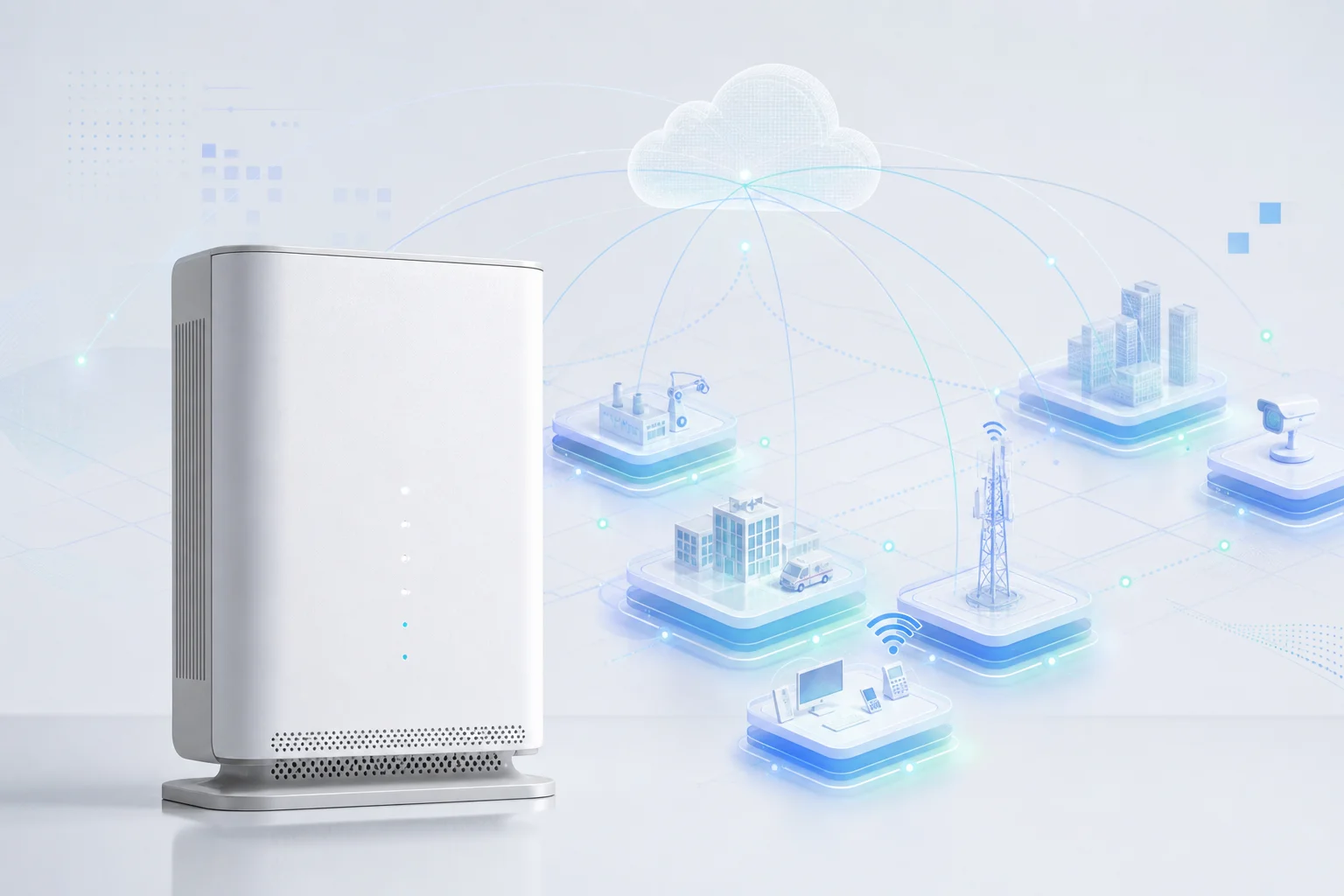
    5G CPE device with edge computing distributed intelligence network visualization

    As enterprises accelerate digital transformation, the convergence of 5G connectivity and edge computing is creating a new paradigm for customer premises equipment. Modern 5G CPE devices are evolving beyond simple connectivity gateways — they are becoming intelligent edge nodes capable of local data processing, real-time analytics, and autonomous decision-making.

    This shift matters for telecom buyers, system integrators, and enterprise IT teams evaluating 5G CPE for branch offices, retail locations, industrial sites, and remote facilities. Understanding the edge computing capabilities now available in advanced CPE platforms can significantly influence procurement decisions and total cost of ownership calculations.

    Why Edge Computing Belongs in CPE

    Traditional CPE architecture routes all traffic through the device to a centralized cloud or data center. For applications requiring sub-10ms latency — such as industrial automation, computer vision quality inspection, or real-time IoT sensor fusion — this round-trip delay is unacceptable. By embedding edge compute capabilities directly in the CPE, data can be processed locally before it ever leaves the premises.

    The benefits extend beyond latency:

    • Bandwidth optimization: Filtering and aggregating data at the edge reduces WAN backhaul traffic by 60-80% in typical IoT deployments
    • Resilience: Local processing ensures critical functions continue during WAN outages
    • Data sovereignty: Sensitive data stays on-premises, addressing GDPR, HIPAA, and other regulatory requirements
    • Cost reduction: Lower cloud compute and storage costs by pre-processing data at the edge

    Architecture: How Edge-Enabled CPE Works

    Modern edge-enabled 5G CPE incorporates a multi-core application processor alongside the 5G modem, typically running a Linux-based operating system with containerization support. This architecture supports:

    • Docker/OCI container runtime: Deploying lightweight edge applications and microservices directly on the CPE
    • Local AI/ML inference: Running pre-trained models for video analytics, anomaly detection, and predictive maintenance at the network edge
    • Protocol translation: Bridging Modbus, BACnet, OPC-UA, and other industrial protocols to IP-based cloud platforms
    • Local data persistence: Time-series databases and message brokers for buffering and local analytics

    Qualcomm’s X80 and X105 platforms, alongside MediaTek’s T900 series, now include dedicated AI accelerators and application processor cores specifically designed for edge workloads — making this capability available in cost-effective, carrier-grade CPE form factors.

    Enterprise Use Cases

    Smart Retail

    Edge-enabled 5G CPE in retail locations runs computer vision models for foot traffic analysis, shelf inventory monitoring, and queue management — all processed locally for privacy compliance. The CPE aggregates multiple in-store IoT sensors (temperature, humidity, door contacts) and forwards only actionable alerts to central operations.

    Industrial IoT and Manufacturing

    On factory floors, edge CPE devices connect to PLCs, vibration sensors, and cameras, running predictive maintenance algorithms locally. When a bearing shows early signs of failure, the CPE triggers an alert in under 5ms — versus 150ms+ for a cloud-based architecture — enabling real-time machine shutdown if needed.

    Remote Branch Connectivity

    For distributed enterprises with hundreds of branch locations, edge CPE consolidates SD-WAN routing, local DHCP/DNS, print services, and basic file sharing onto a single device. This eliminates the need for separate on-premises servers and reduces branch IT hardware by up to 70%.

    Procurement Considerations

    When evaluating edge-enabled 5G CPE, enterprise buyers and operators should assess:

    1. Compute capacity: CPU cores, RAM, and storage available for edge workloads — minimum 2GB RAM and 8GB storage recommended
    2. Container orchestration: Compatibility with existing edge management platforms (Azure IoT Edge, AWS Greengrass, or open-source K3s)
    3. Security architecture: Hardware root of trust, secure boot, TPM 2.0, and encrypted storage for edge data
    4. Thermal design: Edge workloads generate additional heat; passive cooling must be sufficient for sustained compute
    5. Remote management: TR-369 USP or equivalent for zero-touch provisioning and container lifecycle management at scale
    6. Power budget: Edge compute adds 3-8W to baseline CPE power consumption — factor into deployment energy planning

    The Honlly Edge Advantage

    Honlly Telecom’s next-generation 5G CPE platforms are designed with edge computing as a core capability, not an afterthought. Our devices feature:

    • Quad-core ARM Cortex-A55 application processors with dedicated NPU for edge AI inference
    • Docker-compatible Linux OS with pre-validated container images for common edge workloads
    • Hardware security module (HSM) with TPM 2.0 for edge data protection
    • Passive thermal design tested for sustained edge compute in ambient temperatures up to 45°C
    • Full TR-369 USP integration for remote container deployment and monitoring at scale

    For operators and enterprises planning edge-enabled 5G deployments, Honlly provides reference architectures, integration support, and customizable hardware configurations to match specific workload requirements. Contact our engineering team to discuss your edge computing CPE needs.

    Published: August 2, 2026

  • Global 5G FWA Subscriptions Surpass 200 Million Milestone as B2B CPE Procurement Strategies Enter Growth-Phase Maturity in 2026

    Global 5G FWA Subscriptions Surpass 200 Million Milestone as B2B CPE Procurement Strategies Enter Growth-Phase Maturity in 2026

    The global 5G Fixed Wireless Access (FWA) market has crossed a landmark threshold in mid-2026, with total subscriptions surpassing 200 million worldwide according to the latest Ericsson Mobility Report and GSMA Intelligence data. This milestone — achieved roughly 18 months ahead of most analyst projections — carries profound implications for B2B CPE procurement strategies, operator infrastructure planning, and the broader telecom equipment supply chain.

    The 200 Million Milestone: By the Numbers

    5G FWA has emerged as the fastest-growing use case within the broader 5G ecosystem, outpacing even enhanced mobile broadband (eMBB) in several key markets. As of Q2 2026, global 5G FWA connections stand at an estimated 210–215 million, representing a year-over-year growth rate exceeding 60%. The compound annual growth rate (CAGR) from 2023 to 2026 sits at approximately 47%, driven by accelerated deployments across North America, the Middle East, Southeast Asia, and Sub-Saharan Africa.

    Key regional breakdowns tell a compelling story. North America leads with roughly 18 million 5G FWA connections, dominated by T-Mobile and Verizon’s aggressive fixed wireless pushes into underserved broadband markets. The Middle East and North Africa (MENA) region has become the fastest-growing market, with Gulf Cooperation Council (GCC) operators deploying 5G FWA as a primary broadband access technology rather than a secondary overlay. India’s Jio and Airtel have collectively added over 35 million 5G FWA subscribers since launching commercial services in late 2024, making South Asia the largest volume market globally.

    What’s Driving the Acceleration?

    Three converging factors are propelling 5G FWA adoption beyond earlier forecasts:

    1. Spectrum Availability and mmWave Maturation. The global harmonization of n77 (3.7 GHz), n78 (3.5 GHz), and n258/n257 (26/28 GHz mmWave) bands has enabled equipment vendors to build standardized CPE platforms that work across multiple regional operator deployments. This spectrum harmonization reduces CPE bill-of-materials costs by 18–22% compared to region-specific designs, directly lowering the per-unit cost for B2B purchasers.

    2. Enterprise Fiber Replacement Economics. In markets where trenching fiber to business premises costs $800–$3,500 per meter (urban infill, historic districts, geographically challenging terrain), 5G FWA delivers equivalent or superior throughput at 30–60% lower total cost of ownership over a 5-year lifecycle. A typical SME branch office deployment requiring 500 Mbps symmetric throughput now costs approximately $1,200–$1,800 per year in CPE amortization and service fees via 5G FWA, versus $2,800–$4,500 for dedicated fiber access.

    3. 3GPP Release 17 and 18 Enhancements. The standardization of NR-U (NR in Unlicensed Spectrum), enhanced multi-TRP (multiple transmission/reception point) operation, and SRS-based beam management in Release 17 and 18 has materially improved cell-edge performance. Enterprise CPE units at 800–1,200 meters from the gNodeB now routinely achieve 300–500 Mbps downlink where earlier Release 15/16 equipment delivered 80–150 Mbps.

    B2B CPE Procurement: Strategic Implications

    For telecom operators, MVNOs, and enterprise distributors sourcing 5G CPE at scale, the 200-million-subscriber milestone signals a market entering its growth-phase maturity — with profound implications for procurement strategy:

    Supply Chain Consolidation Pressures. As volumes scale from millions to hundreds of millions of units, operators are rationalizing their CPE vendor rosters from 8–12 suppliers down to 3–5 strategic partners capable of delivering 500,000+ units per quarter with consistent firmware quality and global certification coverage. CPE manufacturers that have invested early in automated testing infrastructure, multi-SKU platform architectures, and regional certification pre-approvals (FCC, CE, Anatel, TRA, IMDA) are capturing disproportionate share in this consolidation wave.

    B2B-Specific Feature Differentiation. The enterprise FWA segment — which accounts for approximately 35% of total 5G FWA connections but 55% of CPE revenue due to higher ASPs — is driving demand for features absent from consumer-grade FWA routers: dual-SIM failover with eSIM provisioning, IPsec/VXLAN tunnel termination at line rate, 802.1Q VLAN trunking, PoE passthrough for connected devices, and cloud-managed zero-touch provisioning (ZTP) via TR-369/USP or proprietary management platforms.

    Certification as a Competitive Moat. As 5G FWA moves from early-adopter to mass-market status, regional regulatory certifications and operator-specific type-approval processes have become increasingly stringent. CPE vendors holding full GCF/PTCRB certification plus operator-specific approvals from T-Mobile, Verizon, Vodafone, and Reliance Jio command a 15–25% price premium over uncertified alternatives — and are the only suppliers eligible for Tier-1 operator RFPs exceeding 100,000 units.

    The Road Ahead: 300 Million by 2028

    Looking forward, GSMA Intelligence projects 5G FWA connections will reach 330–350 million by end-2028, driven by continued expansion in India, the entry of 5G FWA into African and Latin American mass markets, and the commercial availability of sub-$50 5G CPE (enabled by integrated SoC platforms from Qualcomm, MediaTek, and UNISOC). For B2B buyers, the message is clear: the 5G FWA market has achieved escape velocity, and procurement strategies designed for a niche technology must now scale to a mass-market reality.

    Key Takeaways for B2B CPE Buyers

    • Prioritize multi-region certification coverage — CPE platforms certified for 15+ operator networks across 3+ continents reduce procurement fragmentation and simplify logistics.
    • Invest in enterprise-grade feature sets — VLAN trunking, dual-WAN failover, cloud ZTP, and IPsec termination are table stakes for B2B FWA in 2026.
    • Lock in volume pricing now — as demand accelerates toward 300 million connections, CPE component lead times (particularly for mmWave RF front-end modules and advanced SoCs) will extend from 12–14 weeks to 18–22 weeks.
    • Anticipate CPE silicon consolidation — the 5G CPE chipset market is consolidating around Qualcomm Snapdragon X-series, MediaTek T-series, and UNISOC Ivy platforms, which will standardize firmware ecosystems and simplify long-term maintenance.

    The 200-million-subscriber milestone is not merely a statistical curiosity — it represents a fundamental shift in how enterprises and operators should approach 5G CPE procurement, from opportunistic purchasing to strategic supply chain management at scale.

  • 5G CPE Power Optimization and Energy Efficiency Engineering: Dynamic Power Scaling, Green Telecom Compliance, and Sustainable B2B FWA Deployment Strategies for 2026

    5G CPE Power Optimization and Energy Efficiency Engineering: Dynamic Power Scaling, Green Telecom Compliance, and Sustainable B2B FWA Deployment Strategies for 2026

    As telecom operators face intensifying regulatory pressure to reduce carbon footprints and rising energy costs that can consume 15–25% of network OPEX, 5G CPE power efficiency has transitioned from a nice-to-have specification to a strategic procurement criterion. For B2B buyers deploying CPE fleets at the scale of tens or hundreds of thousands of units, the lifetime energy cost differential between an efficiently engineered CPE and a power-indifferent design can reach millions of dollars. This article examines the engineering approaches, standards frameworks, and procurement strategies for minimizing 5G CPE energy consumption without compromising performance.

    The Energy Economics of 5G CPE at Fleet Scale

    A typical enterprise-grade 5G CPE consumes 12–18 watts during active operation and 6–9 watts in idle mode. At fleet scale, these numbers compound dramatically. A deployment of 100,000 CPE units operating 24/7 at an average consumption of 14W translates to 12,264 MWh annually — equivalent to approximately 8,500 metric tons of CO₂ at average grid carbon intensity. At commercial electricity rates of $0.12/kWh, the annual energy cost approaches $1.5 million.

    Reducing average per-unit power consumption by just 3 watts — from 14W to 11W — saves approximately $320,000 annually and 1,800 metric tons of CO₂ per 100,000-unit fleet. Across a Tier-1 operator’s global CPE installed base of 5–10 million units, the cumulative savings reach tens of millions of dollars and meaningful progress toward net-zero commitments.

    Engineering Approaches to CPE Power Optimization

    1. Dynamic Power Scaling via Modem Sleep States

    Modern 5G modem chipsets — including the Qualcomm Snapdragon X65/X70/X75 series and MediaTek T800/T830 — implement multiple power states aligned with 3GPP-defined Connected-mode DRX (C-DRX) and Radio Resource Control (RRC) state transitions. Effective CPE power management exploits these states aggressively:

    • RRC Connected (Active): Full power, all RF chains active, MIMO layers at maximum. Typical consumption: 10–14W.
    • RRC Connected (C-DRX Short Cycle): Modem wakes every 20–40ms for scheduling grants, sleeps between cycles. Consumption: 5–8W.
    • RRC Connected (C-DRX Long Cycle): Wake interval extended to 80–320ms when traffic is bursty or low-throughput. Consumption: 3–5W.
    • RRC Idle/Inactive: Periodic paging only, RF chains powered down. Consumption: 1–2W.

    Well-engineered CPE firmware dynamically transitions between these states based on real-time traffic analysis, achieving 30–40% energy reduction during typical enterprise usage patterns (business hours active, evenings and weekends low-utilization) without perceptible latency impact.

    2. Wi-Fi Subsystem Power Management

    In dual-function CPE units that integrate Wi-Fi 6/6E/7 access point functionality, the Wi-Fi subsystem often consumes 3–6W independently of the 5G modem. Optimization strategies include:

    • Scheduled radio sleep: Power down 2.4 GHz and/or 5/6 GHz radios during pre-configured off-hours (e.g., 10 PM to 6 AM for office deployments).
    • Basic Service Set (BSS) coloring and spatial reuse: Wi-Fi 6’s BSS coloring reduces unnecessary transmissions in dense environments, saving 15–20% of Wi-Fi subsystem power.
    • Target Wake Time (TWT): Wi-Fi 6/7 TWT enables client devices to negotiate wake schedules, allowing the CPE’s Wi-Fi radio to enter deeper sleep states between TWT service periods.
    • Transmit power control (TPC): Automatically reducing Wi-Fi transmit power when clients are nearby reduces amplifier power draw by 10–25%.

    3. Ethernet and Peripheral Power Gating

    Enterprise CPE units with multiple Ethernet ports, USB interfaces, and PoE output capability can gate power to unused interfaces. A CPE deployed at a remote monitoring site that uses only one Ethernet port for sensor backhaul should power down the remaining three PHY transceivers and PoE controllers, saving 1.5–3W. Advanced implementations use Energy Efficient Ethernet (IEEE 802.3az) to scale PHY power proportionally to link utilization, reducing per-port consumption from 0.8W at full rate to 0.2W during low-utilization periods.

    4. SoC-Level Integration and Process Node Advantages

    The migration from discrete modem + applications processor architectures to integrated SoC platforms fabricated on advanced process nodes (6nm, 5nm, and emerging 4nm) delivers substantial power efficiency gains. A 5nm integrated 5G CPE SoC typically draws 30–40% less power than an equivalent discrete solution at 7nm or 12nm for the same throughput. When evaluating CPE platforms, procurement teams should compare the underlying silicon generation — not just the datasheet power numbers, which may be measured under different thermal and traffic conditions.

    Green Telecom Standards and Compliance Frameworks

    Several standards and regulatory frameworks now govern telecom equipment energy efficiency, and B2B buyers should ensure their CPE selections comply with relevant requirements:

    • EU Code of Conduct for Broadband Equipment (Version 8, 2025): Establishes maximum power consumption limits for CPE in idle and active states, with increasingly stringent tiers through 2028. CPE must not exceed 10W in idle state (Tier 2, 2026) and 18W in active state.
    • Energy Star for Network Equipment (Version 3.0): U.S. EPA specification requiring power management defaults, idle-state consumption limits, and reporting of annual energy consumption (kWh/year) on product documentation.
    • ETSI ES 203 475 (Environmental Engineering): European standard for network equipment energy efficiency metrics, including the Network Energy Efficiency (NEE) ratio.
    • 3GPP TR 38.864 (NR Power Saving): Technical report specifying network-assisted UE power saving techniques including DCP (DCI with CRC scrambled by PS-RNTI), SCell dormancy, and cross-slot scheduling enhancements that CPE should support in firmware.

    Measuring CPE Energy Efficiency: Beyond the Datasheet

    Datasheet power consumption figures are typically measured under idealized laboratory conditions: single band, 2×2 MIMO, moderate signal strength, limited traffic load. Real-world power consumption in multi-band carrier aggregation (CA) scenarios with 4×4 MIMO and challenging RF conditions can be 40–60% higher. Procurement teams should request:

    • Power consumption curves across signal strength: Power draw at RSRP = -85 dBm (strong), -105 dBm (moderate), and -118 dBm (cell edge).
    • Multi-band CA power measurements: n78 (100 MHz) + n78 (40 MHz) inter-band CA, which stresses the RF front-end and baseband processor significantly more than single-carrier operation.
    • Thermal throttling behavior: Sustained throughput and power consumption at 50°C and 60°C ambient, documenting any performance degradation due to thermal protection mechanisms.
    • Idle-to-active transition latency: Time required to exit deep sleep states and resume full throughput, which should be under 50ms to maintain transparent user experience.

    Procurement Recommendations

    For B2B buyers integrating energy efficiency into CPE procurement RFPs, we recommend the following specifications:

    Parameter Target (2026) Measurement Condition
    Active power (single carrier)≤ 12Wn78 100MHz, 4×4 MIMO, RSRP -95 dBm, 500 Mbps DL
    Active power (2CA)≤ 15Wn78+n78 CA, 140 MHz total BW
    Idle power (C-DRX long)≤ 4WRRC Connected, C-DRX long cycle, no traffic
    Deep sleep power≤ 1.5WRRC Idle, Wi-Fi radios disabled
    Wake latency (sleep→active)≤ 50msFrom deep sleep to 90% max throughput
    EU CoC complianceTier 2 (2026)Per EU CoC Broadband Equipment v8

    Conclusion

    Energy efficiency in 5G CPE is no longer an optional specification — it is a procurement imperative driven by regulatory compliance, operational cost, and corporate sustainability commitments. By specifying dynamic power scaling capabilities, modern SoC process nodes (5nm or better), Wi-Fi subsystem power management, and compliance with EU CoC and Energy Star frameworks, B2B buyers can reduce fleet-wide energy consumption by 25–35% compared to baseline CPE designs. At the scale of modern FWA deployments, those percentage points translate into millions of dollars in lifetime savings and meaningful progress toward net-zero telecom operations.

  • A Technical Buyer’s Guide to 5G CPE for Smart City Deployments: Municipal Infrastructure Backhaul, IoT Sensor Integration, and Scalable Network Architecture for 2026

    A Technical Buyer’s Guide to 5G CPE for Smart City Deployments: Municipal Infrastructure Backhaul, IoT Sensor Integration, and Scalable Network Architecture for 2026

    As municipal governments worldwide accelerate digital transformation initiatives, 5G Fixed Wireless Access has emerged as a critical connectivity layer for smart city infrastructure. From intelligent traffic management systems to public safety networks and environmental sensor grids, the demand for carrier-grade outdoor CPE that can reliably backhaul diverse municipal IoT workloads is reshaping procurement requirements across the public sector. This guide examines the technical, operational, and procurement considerations for selecting 5G CPE tailored to smart city deployment scenarios.

    The Smart City Connectivity Challenge

    Smart city deployments present a connectivity challenge that differs fundamentally from enterprise branch-office or residential FWA use cases. Municipal networks must simultaneously support dozens of heterogeneous subsystems — traffic signal controllers communicating via Modbus/TCP, high-definition IP surveillance cameras streaming H.265 at 8–15 Mbps per feed, environmental sensors transmitting MQTT payloads every 60 seconds, digital signage content distribution, and public Wi-Fi access point backhaul — all across a geographically dispersed topology spanning 50–500 square kilometers.

    Traditional fiber backhaul to each endpoint is economically prohibitive at municipal scale. A medium-sized city deploying 200 smart intersections with traffic monitoring, environmental sensing, and public Wi-Fi would face fiber trenching costs of $2.5 million to $7 million, with 18–36 month deployment timelines. 5G FWA CPE at each node reduces the per-site connectivity cost by 60–75% and compresses deployment timelines to 3–6 months.

    Architectural Requirements for Municipal-Grade CPE

    1. Multi-RAT and Multi-Operator Redundancy

    Public safety and critical infrastructure applications demand connectivity resilience that exceeds typical enterprise SLAs. Municipal-grade 5G CPE must support dual-SIM architecture with automatic failover between primary and secondary mobile network operators, plus fallback to 4G LTE (Category 16 or higher) when 5G NR coverage is degraded. The failover latency — measured from link-loss detection to full data-plane restoration — should not exceed 800 milliseconds for real-time traffic control applications.

    Look for CPE platforms that implement 3GPP Release 17’s enhanced Multi-Operator Core Network (MOCN) and gateway core network (GWCN) sharing features at the modem firmware level, enabling seamless operator switching without IP session interruption.

    2. Outdoor-Rated Environmental Hardening

    Smart city CPE installations are predominantly outdoor: mounted on traffic signal poles, streetlight arms, building rooftops, and kiosk enclosures. Minimum environmental specifications should include IP67 ingress protection, operating temperature range of -40°C to +65°C, and IK08 impact resistance. In coastal or industrial municipalities, additional corrosion resistance (salt spray testing per IEC 60068-2-52, Severity 3 or higher) is non-negotiable.

    Thermal design is particularly critical: CPE units mounted inside sealed NEMA 4X enclosures on sun-exposed poles in Middle Eastern or South Asian cities can experience internal ambient temperatures exceeding 70°C. Passive cooling designs with finned aluminum heatsinks and thermally conductive mounting brackets outperform fan-cooled designs in reliability terms by a factor of 3–4× in these conditions.

    3. Ethernet Switching and PoE Capabilities

    Unlike consumer FWA routers with a single LAN port, smart city CPE must function as a mini-distribution switch at each municipal node. Minimum port configuration: 2× Gigabit Ethernet LAN ports (one for primary traffic, one for management/segmentation) plus 4× 802.3at (PoE+) output ports supplying up to 30W per port to power connected IP cameras, wireless access points, and IoT gateways. Total PoE budget across all ports should be at least 60W, with per-port power policing and scheduling for energy optimization during off-peak hours.

    4. VLAN Segmentation and Traffic Isolation

    Municipal networks carry traffic from departments with radically different security postures. The public Wi-Fi subnet must be fully isolated from the traffic management SCADA network, which must be isolated from the police surveillance VLAN. The CPE must support 802.1Q VLAN trunking with at minimum 8 concurrent VLANs, each mappable to a distinct APN/DNN for end-to-end traffic segmentation from the device through the mobile core to the municipal data center.

    5. Cloud-Managed Zero-Touch Provisioning at Scale

    Deploying 500 CPE units across a city using manual configuration is operationally unsustainable. The selected platform must support TR-369 User Services Platform (USP) or a functionally equivalent cloud management protocol with: bulk device onboarding via QR code or serial number CSV import, templated configuration profiles per device role (traffic cabinet vs. public Wi-Fi vs. environmental monitoring), scheduled firmware upgrade campaigns with automatic rollback, and real-time telemetry dashboards showing per-device signal quality (RSRP, SINR, RSRQ), throughput utilization, and PoE power consumption.

    Procurement Checklist for Municipal Buyers

    Requirement Minimum Specification Preferred
    5G NR Bandsn77/n78 + n41+ n79 + mmWave
    EnvironmentalIP67, -30°C to +60°CIP68, -40°C to +65°C, IK08
    SIM ArchitectureDual SIM, manual failoverDual SIM + eSIM, auto-failover <800ms
    Ethernet + PoE2× GbE, 2× PoE+ (30W each)4× GbE, 4× PoE+ (30W each), 60W+ budget
    VLAN Support802.1Q, 8 VLANs16+ VLANs, QinQ, per-VLAN QoS
    ManagementTR-069 CWMPTR-369 USP + REST API + SNMPv3
    SecurityIPsec, firewall, secure bootIPsec + WireGuard, 802.1X, TPM 2.0, signed firmware
    CertificationsFCC/CE, GCF/PTCRB+ operator-specific (T-Mo, VZ, Vodafone)

    Vendor Evaluation Criteria

    When evaluating CPE vendors for municipal-scale smart city RFPs, procurement teams should weight the following factors beyond unit pricing:

    • Reference deployments at comparable scale: Has the vendor successfully delivered 500+ outdoor CPE units to a municipal or utility customer with documented uptime metrics? Request case studies with named references.
    • Long-term firmware commitment: Smart city infrastructure operates on 7–10 year lifecycle timelines. The vendor must commit to security patch support for a minimum of 5 years from end-of-sale, with published SLAs for critical CVE remediation (30 days or fewer).
    • Local regulatory pre-certification: CPE units must hold valid type-approval certificates for all target deployment countries. Re-certification timelines for new firmware major releases should be factored into procurement schedules.
    • API-first management architecture: Municipal IT teams increasingly require CPE management APIs that integrate with existing municipal network management systems (NMS) and SIEM platforms via RESTful APIs and syslog streaming, not proprietary vendor dashboards.

    Conclusion

    5G FWA CPE is rapidly becoming the default connectivity backhaul for smart city infrastructure deployments worldwide. Municipal procurement teams that define clear technical requirements — particularly around outdoor hardening, multi-operator redundancy, PoE power budgets, VLAN segmentation, and cloud-scale device management — will achieve dramatically better total cost of ownership and operational reliability than those evaluating CPE on throughput specifications alone. As 5G-Advanced and eventually 6G capabilities become available, selecting a CPE platform with a proven firmware upgrade track record ensures today’s investment remains viable through the next decade of municipal digital transformation.