
Why Grain Mills Need Purpose-Built Connectivity
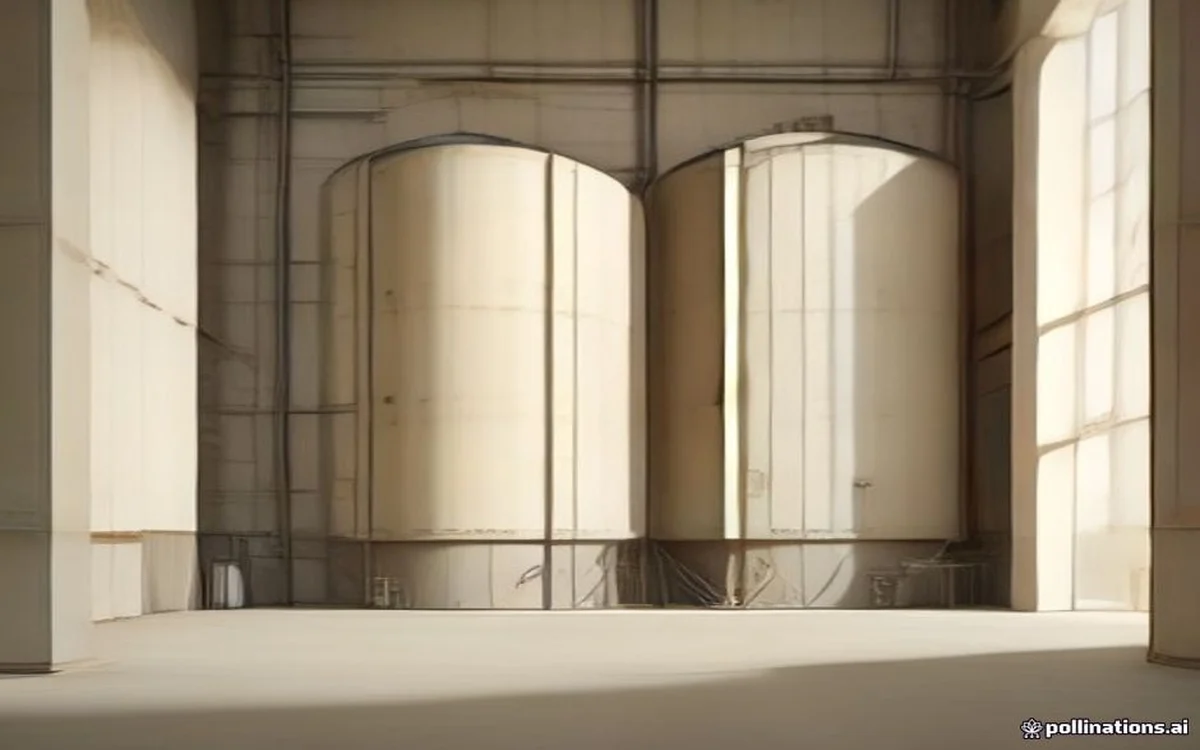
Grain milling and food ingredient processing operate in sprawling facilities dominated by towering silos, dense metal conveying systems, and heavy machinery — an environment that is famously hostile to wireless signals and expensive to wire. Dust, vibration, and safety regulations further complicate traditional network deployments. Yet modern mills depend on constant data flow: silo level sensors, mill automation, motor and bearing telemetry, and quality-lab reporting all feed the systems that keep production safe, consistent, and traceable.
In 2026, 5G fixed wireless access (FWA) has become a practical answer. A rugged 5G CPE gives a mill a high-capacity, low-latency backhaul link without trenching fiber or stringing cable across grain-handling structures, and it can be deployed quickly at remote silo clusters, weighbridges, and satellite buildings.
The Core Connectivity Workloads in a Mill
A milling operation’s network traffic breaks into several distinct categories:
- Silo and inventory monitoring — level, temperature, and moisture sensors across dozens of bins report small packets continuously; reachability and uptime matter more than raw speed.
- Mill automation and process control — PLCs, scales, feeders, and grinders exchange deterministic control data where latency and jitter must stay low.
- Predictive maintenance — vibration and thermal sensors on motors, gearboxes, and bearings stream telemetry to cloud analytics that flag failures before they stop a shift.
- Quality labs and compliance — grain testing, allergen control, and batch records move between lab instruments and MES/ERP systems, where data integrity and uptime are non-negotiable.
Why Outdoor and Industrial CPE Is the Right Form Factor
Consumer-grade gateways quickly fail in a mill. Dust intrusion, temperature swings, and vibration call for an industrial CPE with a sealed enclosure and wide temperature range. For silo clusters and remote buildings, an outdoor CPE with high-gain directional antennas is often required to close the RF link to a distant cell site, because the same metal that makes grain handling efficient also blocks radio signals.
Buyers should plan for external antenna ports and PoE support so the modem can be mounted at height while the LAN and power reach it over a single cable run.
Key Selection Criteria for Milling CPE
- Industrial hardening — IP-rated enclosure, -40°C to +75°C operating range, and surge protection for dusty, high-vibration sites.
- Outdoor and external-antenna support — high-gain directional or MIMO antennas to reach cell sites from metal-heavy facilities.
- Deterministic low latency — 5G Standalone with QoS flow support so process-control traffic is prioritized over bulk telemetry.
- Multiple Ethernet ports — for PLCs, scales, weighbridge controllers, and IP cameras, plus Wi-Fi for handheld scanners and tablets.
- Dual-SIM failover — a backup carrier path to keep automation and compliance systems online during any network degradation.
- Centralized management — TR-069/TR-369 or cloud management for remote provisioning and firmware updates across multi-site operations.
Security and Segmentation for OT Networks
Mills increasingly connect operational technology (OT) to business networks and the cloud, which expands the attack surface. A well-chosen CPE supports VLAN segmentation to isolate automation traffic from guest and office networks, per-interface firewall rules, and IPsec/GRE tunneling to protect backhaul traffic over the public network. For regulated food-ingredient operations, strong device authentication and encrypted transport also support audit and compliance requirements around batch traceability and allergen control.
What to Ask Vendors Before You Buy
- Is the CPE rated for dusty, high-vibration, and wide-temperature environments?
- Does it support external or high-gain directional antennas for metal-heavy facilities?
- Can it prioritize process-control traffic and segment VLANs for OT isolation?
- What PoE and DC power options are available for silo clusters and remote buildings?
- Does it support the LTE and 5G bands used by carriers in your region?
- What remote management and zero-touch provisioning options are offered?
Frequently Asked Questions
Why do grain mills struggle with ordinary Wi-Fi and indoor CPE?
Metal silos, dense conveying systems, and dust attenuate RF signals and stress consumer hardware. Industrial CPE with high ingress protection and outdoor units with external antennas overcome these physical challenges.
Can 5G CPE support mill automation and process control?
Yes. With 5G Standalone QoS, process-control traffic can be prioritized for low latency and low jitter, making fixed wireless viable for PLC and automation backhaul when configured correctly.
How many CPE devices does a large mill need?
It depends on site layout. A main mill building, remote silo clusters, weighbridges, and satellite warehouses may each require their own CPE, linked independently or over a managed network.
Is cellular backhaul secure enough for food-safety and batch records?
Yes, when deployed with IPsec/GRE tunneling, VLAN segmentation, and strong device authentication. These controls protect OT traffic and support traceability and compliance requirements.
Planning connectivity for grain milling, food ingredient, or agri-processing sites? Contact Honlly Telecom to discuss industrial and outdoor 4G/5G CPE, high-gain antenna options, and OEM/ODM partnerships.