
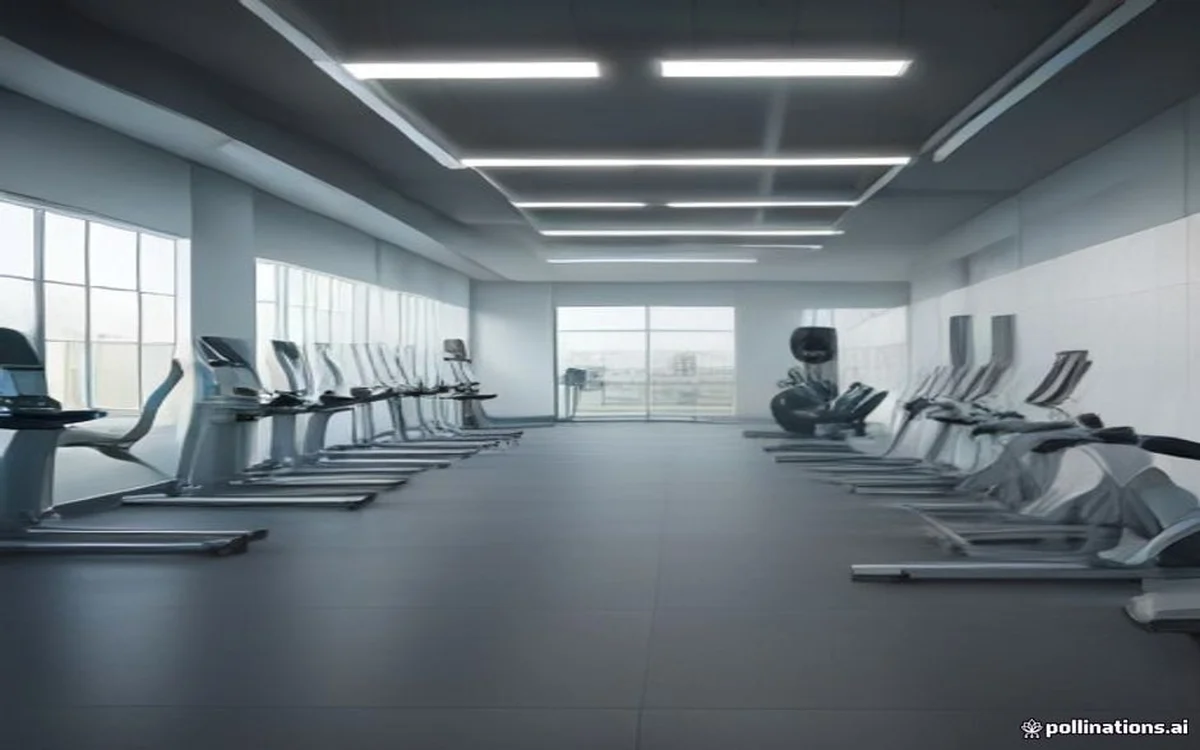
Fitness clubs and gyms have evolved from simple exercise spaces into connected, experience-driven facilities. Members expect seamless Wi-Fi for streaming and wearables, front-desk teams rely on cloud-based check-in and billing, and a growing fleet of connected treadmills, bikes, and strength machines push real-time data to member apps. For operators — and the IT partners who serve them — a dependable 5G customer-premises equipment (CPE) strategy has become essential to keeping every site online without costly fixed-line buildouts.
Why Fixed Wireless Is a Natural Fit for Fitness Sites
Gyms frequently occupy leased retail spaces where fiber installs are slow, expensive, or blocked by landlord restrictions. Many operators also run multiple locations across a city or region, each with different connectivity constraints. 5G FWA CPE offers a consistent, rapid-deploy option: install a router, aim an antenna, and bring a whole club online in a matter of hours. For new locations or pop-up studios, that speed can shorten time-to-opening by weeks.
Fixed wireless also provides a clean path to resilience. A 5G CPE with multi-WAN failover can serve as the primary connection or as an automatic backup to a wired circuit, so a single outage never takes down check-in, POS, or the member Wi-Fi that patrons notice immediately.
Supporting Member Wi-Fi and BYOD Density
The single hardest load for a club network is guest Wi-Fi. A mid-size gym can have hundreds of simultaneously connected devices — phones, tablets, smartwatches, and connected wearables — spread across the floor, locker rooms, and studios. The CPE must deliver enough throughput and, just as important, enough session capacity and airtime fairness to keep everyone usable.
Choose a 5G CPE with Wi-Fi 6 or Wi-Fi 6E built in, or pair a standalone access-point architecture behind a wired CPE for larger footprints. Look for band steering, multiple SSID support (one for staff and back office, one for members), and client isolation to keep member devices from reaching the management network. QoS features let you prioritize POS and check-in traffic over recreational streaming during peak hours.
Connecting Equipment, Check-In, and Security Systems
Connected fitness equipment — cardio machines with streaming screens, digitally-loaded weights, and class-booking kiosks — all need reliable uplinks to vendor clouds. Simultaneously, the club runs access control, surveillance cameras, and possibly environmental sensors for HVAC and air quality. A 5G CPE with wired Ethernet LAN ports and VLAN segmentation keeps these systems logically separated: surveillance on one VLAN, member Wi-Fi on another, and vendor equipment traffic isolated to protect the business network.
Security is non-negotiable. Members enter personal and payment data during sign-up and purchase. Ensure the CPE supports encrypted tunnels (IPsec), firewall rules, and the ability to segment the network so that a compromised IoT device cannot reach member records or cardholder data.
Managing Multiple Locations at Scale
For chains, manageability is as important as raw performance. Select 5G CPE that supports centralized, cloud-based management with remote monitoring, config templates, and firmware-over-the-air (FOTA) updates. This lets a lean IT team roll out a new club or push a security patch across every location without dispatching technicians.
Dual-SIM capability and remote reboot add another layer of operational resilience: if one carrier degrades, the device can fail over to a second SIM, and most issues can be resolved remotely rather than through an on-site visit. When evaluating vendors, ask about fleet-management dashboards, alerting, and whether the hardware is rated for the heat and humidity common in club environments.
The right 5G CPE turns a fitness club’s connectivity from a recurring headache into a competitive advantage — reliable member Wi-Fi, smooth operations, and effortless multi-site growth. By prioritizing throughput, density handling, segmentation, security, and central management, technical buyers can future-proof every location for the increasingly connected fitness experience members expect.