
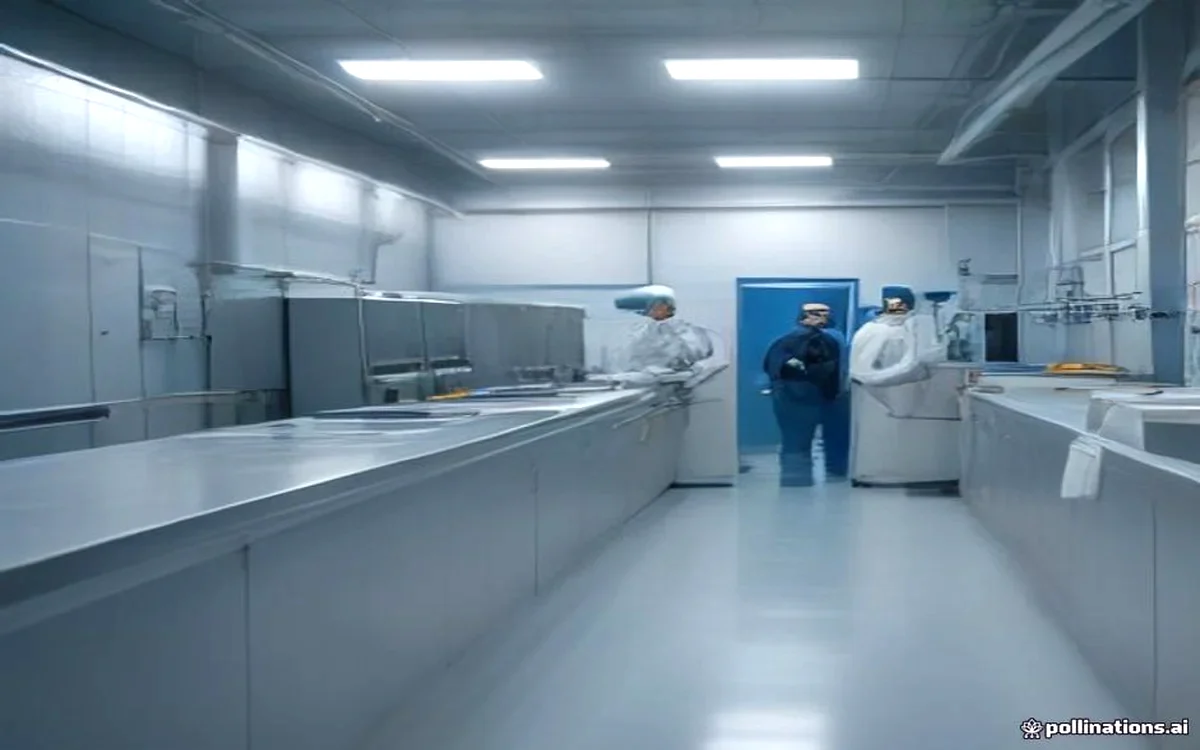
The Connectivity Gap in Modern Seafood Processing
Seafood processing is a high-velocity industrial environment where temperature, hygiene, and speed collide. Facilities that fillet, portion, freeze, and pack fish must keep dozens of machines synchronized across wet, cold, and heavily sanitized floors — exactly the kind of environment where running new Ethernet drops is slow, expensive, and prone to corrosion from washdown chemicals.
In 2026, an increasing number of seafood processors are turning to 5G fixed wireless access (FWA) as the backbone for their plant networks. A carrier-grade 5G CPE mounted on the plant floor or exterior delivers high-capacity, low-latency connectivity without the cabling burden of a traditional LAN extension, and it can be moved or reconfigured as lines are retooled for different species and seasonal products.
Three Workloads Driving the Shift to FWA
Seafood plants are not a single connectivity problem; they are several, each with distinct technical demands:
- Automated filleting and portioning lines — vision-guided cutting and grading systems stream machine data and high-resolution inspection imagery in near real time. Jitter or packet loss here translates directly into yield loss and rework.
- Cold storage and blast freezers — temperature probes, door sensors, and conveyor controls inside heavily insulated, metal-clad freezers are notoriously hard to reach with Wi-Fi, making a hardwired or high-gain outdoor CPE the reliable path for backhaul.
- Traceability and quality control — from receiving to dispatch, batch-level tracking, label printing, and regulatory reporting require an always-on link to on-premise or cloud MES/ERP systems to maintain chain-of-custody and food-safety compliance.
Why 5G FWA Beats Extending the Wired LAN
Washdown-rated cabling and junction boxes are costly, and every new production line or freezer retrofit traditionally meant another expensive cabling project. FWA sidesteps that: the CPE aggregates the plant’s operational network and backhauls it over the cellular network, while local Ethernet and Wi-Fi continue to serve the machines, scanners, and handheld devices on the floor.
The result is faster deployment, easier line reconfiguration, and a clean secondary path for failover — valuable in an industry where a connectivity outage can idle a perishable production line and put inventory at risk.
What CPE Must Withstand on the Plant Floor
Seafood processing imposes a demanding environmental profile on any edge device:
- Washdown and moisture tolerance — high ingress protection (IP65 or better) and corrosion-resistant enclosures for areas subject to daily hose-down and aggressive cleaning agents.
- Wide temperature range — the same CPE family must survive both freezer rooms and warm processing bays without performance drift.
- Industrial connectivity — multiple Ethernet ports for PLCs, scales, scanners, and cameras, plus reliable Wi-Fi for mobile devices on the floor.
- Redundant WAN and failover — dual-SIM support so the plant stays connected even if a primary carrier degrades, keeping traceability and cold-chain monitoring online.
Operator and Integrator Momentum
For telecom operators, MVNOs, and system integrators serving the food-processing sector, seafood plants represent a growing niche for FWA and private-cellular solutions. The combination of perishable inventory, regulatory traceability, and hard-to-cable environments makes connectivity a mission-critical line item rather than a commodity utility — and it creates room for managed services that bundle CPE hardware, site surveys, and monitoring.
Frequently Asked Questions
Why choose 5G FWA over extending a wired LAN in a seafood plant?
5G FWA eliminates costly washdown-rated cabling projects and enables fast line reconfiguration, while a high-gain CPE provides reliable backhaul for machines, scanners, and cold-storage monitoring even in metal-clad freezers.
Can a 5G CPE handle freezer-room environments?
Yes, when you select industrial CPE with a wide operating temperature range and high ingress protection, and place the modem in a protected location with external antennas where signal attenuation from insulated panels is a concern.
What role does CPE play in seafood traceability?
The CPE backhauls the plant’s batch-tracking, label-printing, and MES/ERP traffic to on-premise or cloud systems, keeping chain-of-custody and food-safety records continuous and auditable.
How does dual-SIM improve plant reliability?
Dual-SIM lets the CPE automatically fail over to a backup carrier if the primary network degrades, protecting production lines and cold-chain monitoring from costly connectivity outages.
Deploying FWA for food or seafood processing operations? Contact Honlly Telecom to discuss industrial 4G/5G CPE, OEM/ODM options, and carrier-grade routers built for washdown and cold-chain environments.